
Key point
Decide whether to stay by testing safety, services, staging, cost and household tolerance as one strategy.
Treat Staying As A Project Strategy
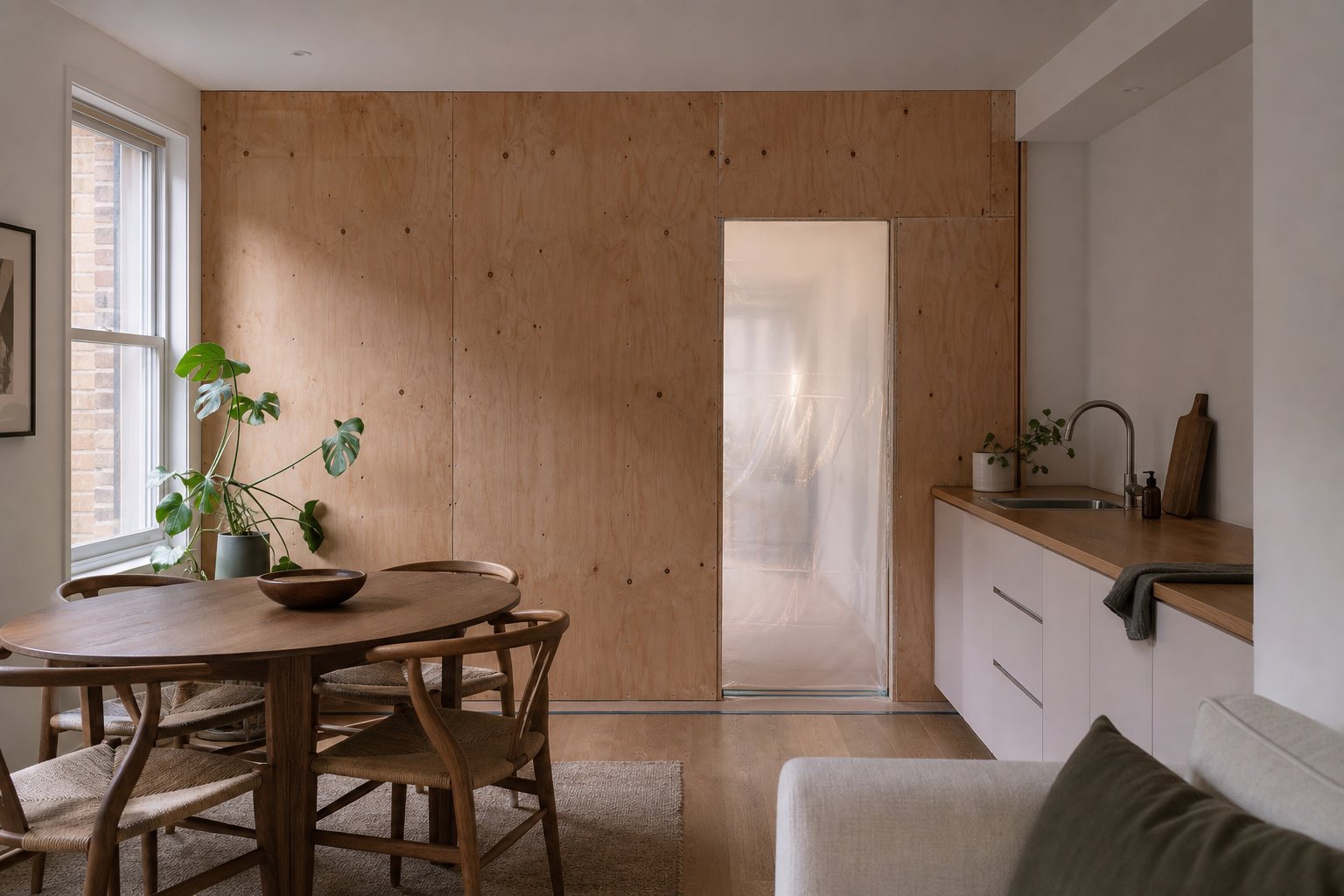
Living in a house during renovation is possible on some projects, but it should be tested as part of the brief rather than assumed. The answer depends on demolition, structural work, asbestos or other hazards, service interruptions, access, dust, noise, children, pets and the builder's site requirements. A small staged alteration may be manageable. A project that removes the kitchen, bathroom, roof or safe separation may make temporary accommodation the more realistic option.
Safety Comes Before Convenience
A construction site changes daily. Openings, tools, temporary supports, deliveries and disconnected services create conditions that are different from normal home life. The builder and relevant advisers need to determine whether occupied and work areas can be separated safely. Owners should not rely on an informal promise made before the sequence is understood. If safe access, sanitation, weather protection or emergency egress cannot be maintained, the live-in option may not be satisfactory.
Map Essential Services
List what the household needs each day: a functioning bathroom, food preparation, hot water, power, heating or cooling, laundry, internet and secure entry. Then map when existing services are removed and replacements become usable. Temporary facilities take space, coordination and money, and may not provide normal comfort. A clear sequence should show who supplies them, where they sit and how long each change is expected to affect the household, without presenting the program as guaranteed.
Understand The Hidden Cost Of Occupation
Avoiding rent can look like an obvious saving, but occupation may slow work, require repeated protection and cleaning, limit working hours or force the builder to complete the project in smaller stages. These effects can add cost and extend disruption. Temporary accommodation also has financial and personal costs. Compare the full strategies rather than one expense line. The better option is the one that gives a workable balance of safety, budget, time and household resilience.
Design For Staging If It Matters
If staying is a high priority, tell the architect before the layout and construction approach are fixed. It may be possible to retain one part of the house, create a temporary entrance, sequence wet areas or separate an addition from occupied rooms. These moves can affect the design and builder's method, so they need early review. Staging is not a free layer added later; it becomes one of the constraints against which options are compared.
Plan For Daily Life, Not Best-Case Life
Consider work calls, school routines, sleep, cooking, weather, neighbours and the emotional load of long disruption. A hypothetical couple who can work elsewhere and use a temporary kitchenette may tolerate conditions that are unsuitable for a family with a baby or a person with respiratory sensitivity. Honest planning should use the household's real limits, not an unusually calm week. Include a clear trigger for leaving if conditions become unsafe or unmanageable.
Record The Agreement Before Work Starts
The construction documents and contract discussions should clearly address access, work zones, temporary services, protection, working hours, security, cleaning responsibilities and changes to staging. Ask the builder to explain the proposed sequence and assumptions. Unknowns will remain, especially in an existing house, so agree on how new information will be handled. A written shared understanding is more reliable than expecting the occupants and site team to negotiate every boundary after construction begins.
Sources and further reading
Start a conversation
Planning a home project?
Tell us the site, project type and the main decision you need help with.
No prepared brief is required.