
A wine collection can be part of the pleasure of entertaining without becoming the organising principle of the whole living floor. For a North Wahroonga renovation, extension or new home, benssur would distinguish storing a collection from displaying it and sharing it. Those activities need not all occupy the same room.
Chateau Architects + Builders’ North Wahroonga Neo-Georgian home, recorded as built in 2018, includes a cellar beside the living room. That is a particular arrangement in Chateau’s house, not a benssur project or a typical requirement for the suburb. It offers a useful local prompt: should specialised storage sit within the social centre of the home, beside it, or elsewhere?
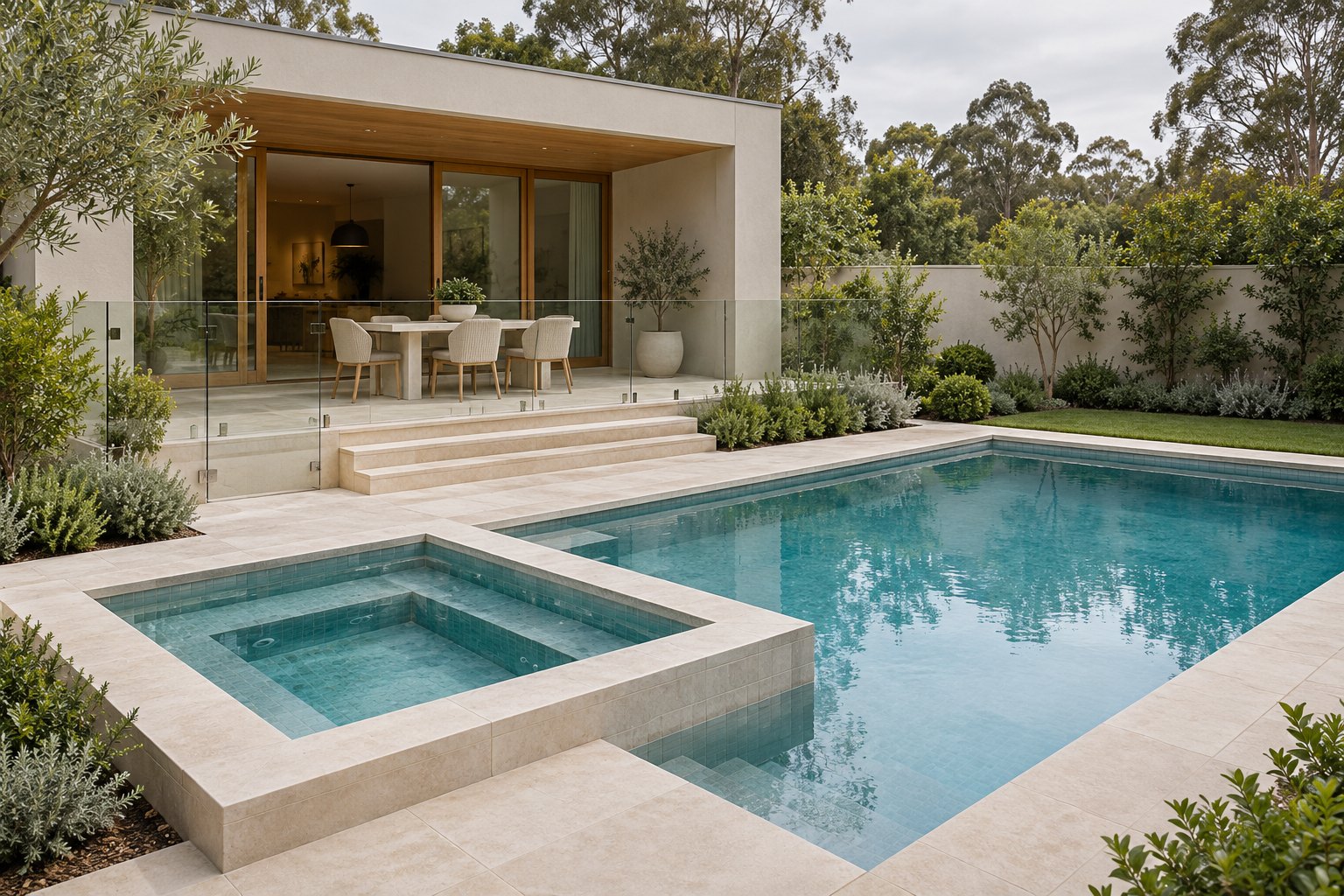
Separate the collection from the gathering
Begin with what is being kept and how it is used. A few bottles for dinner presents a different brief from a collection requiring controlled storage. Appropriate specialist advice should establish the actual environmental and equipment requirements before a room is allocated. A glass enclosure labelled cellar on a plan does not establish those conditions.
Then draw the gathering. If people will stand and talk while choosing something, they need a place outside the storage itself that does not obstruct the route between kitchen and dining. A doorway immediately behind a pulled-out dining chair can make a well-positioned cellar frustrating to use. Moving the entrance a short distance may be more valuable than enlarging the room.
A dedicated tasting room adds another commitment. It can give the activity its own setting, but duplicates seating and takes floor area away from everyday life. For occasional entertaining, serving at the existing dining table may be more comfortable than keeping a second room ready for an infrequent gathering. The collection can have its own conditions without requiring the household to acquire another social room.
Choose how much is always on show
A glazed boundary makes the collection a continuing presence in the living room. It can also make the room’s appearance depend on how neatly that storage is maintained. An opaque wall or door gives the sitting area a quieter backdrop and more freedom for furniture, while concealing something the owner may enjoy seeing.
There is a middle position: a modest display for regularly used pieces, with the rest stored separately under suitable conditions. It sacrifices the spectacle of seeing everything together but can reduce the amount of specialised accommodation competing for the best living-room edge. It also requires two storage arrangements to be managed. Neither is automatically the simpler or less expensive solution.
We would compare the living room with the cellar door shut. Can the sofa still face the garden? Is there a useful wall for books or artwork? Does someone crossing to storage pass between people talking? A collection should enrich the room without making every other activity arrange itself around a display.
Keep the building work proportionate
In a renovation, converting an existing cupboard or small room needs assessment of its construction and surroundings, not just new racks. Equipment, servicing and maintenance may affect adjoining rooms. Locating a substantial cellar farther from living can preserve a valuable outside edge, but gives up immediacy and may introduce a less convenient carrying route.
An extension should therefore be tested with and without the dedicated room. If the smaller option gives the household a better sitting area and adequate storage, extra enclosure may not be justified. In a new home, resolve these priorities before the collection acquires the position that would otherwise have brought daylight into daily living.
Restrained joinery and a warm serving surface can make entertaining feel considered without turning the whole interior into a display. Our residential architecture and interiors services bring those decisions into the room plan. For North Wahroonga, begin with how you enjoy the collection, then decide how much of the house should be devoted to keeping it.
Start a conversation
Planning a home project?
Tell us the site, project type and the main decision you need help with.
No prepared brief is required.