
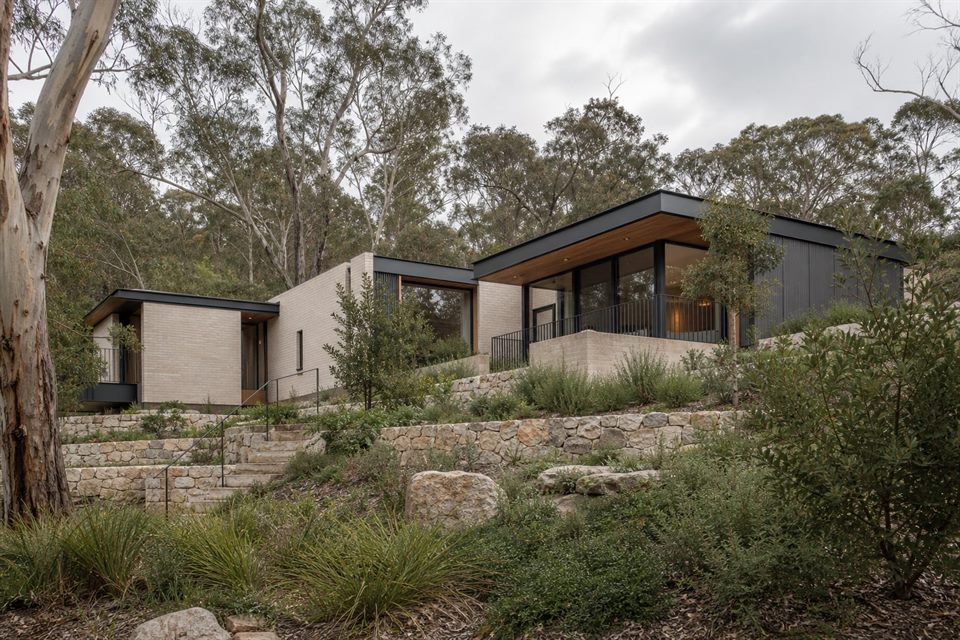
When To Use It
Use feasibility before buying, before committing to a builder path, or when a site has unclear planning, budget, structure or extension potential. It is useful when the next decision is expensive and the assumptions are still weak.
What It Can Cover
A home renovation feasibility study Melbourne clients can use may include site reading, planning constraints, rough scope options, risk notes, approval pathway, consultant questions, budget logic and early design opportunities.
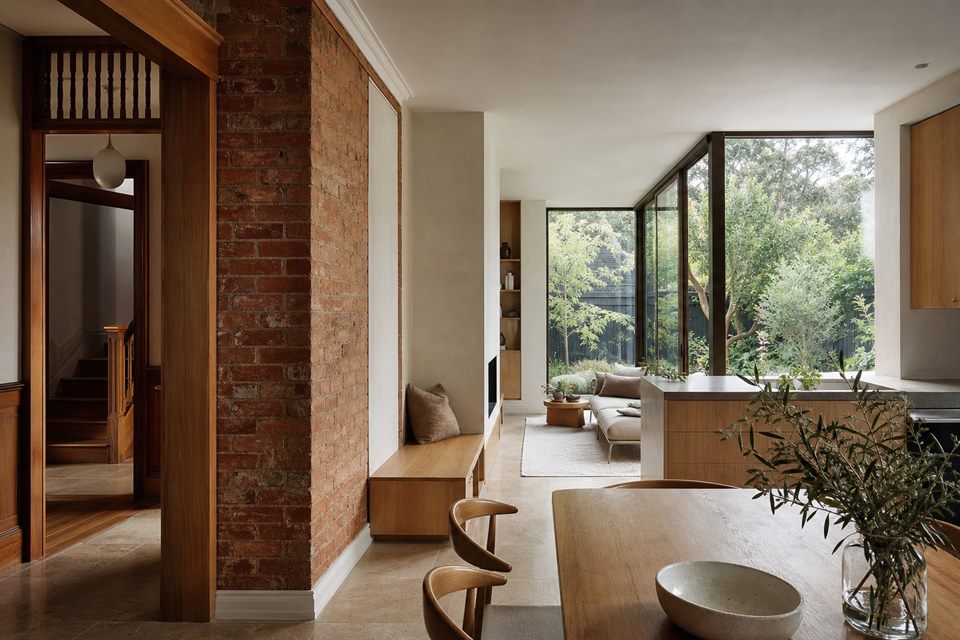
Design Options
Feasibility should not be only a yes or no answer. It can compare renovation, extension, rebuild, staging, reduced scope and planning-risk options so the client can see what each path implies.
Decision Outcome
The aim is a clearer basis for deciding whether to proceed, pause, buy, sell, change direction or test a different option. It should reduce uncertainty before larger design fees or building costs begin.
Client Value
A small feasibility stage can save time by showing which assumptions are strong, which are risky and which need more advice before spending heavily.
What does feasibility include?
It can include site reading, planning risk, budget logic, design options, consultant questions and the next decisions to test.
When is it useful?
Use it before buying, before pricing, before committing to a builder path or when the project direction is still unclear.
Is feasibility the same as concept design?
No. Feasibility is earlier and lighter. It helps decide whether a concept direction is worth developing.
Can feasibility reduce cost risk?
It can reduce avoidable risk by identifying planning, site, budget and scope questions before the project commits to one path.
Start a conversation
Planning a home project?
Tell us the site, project type and the main decision you need help with.
No prepared brief is required.