
Our Approach
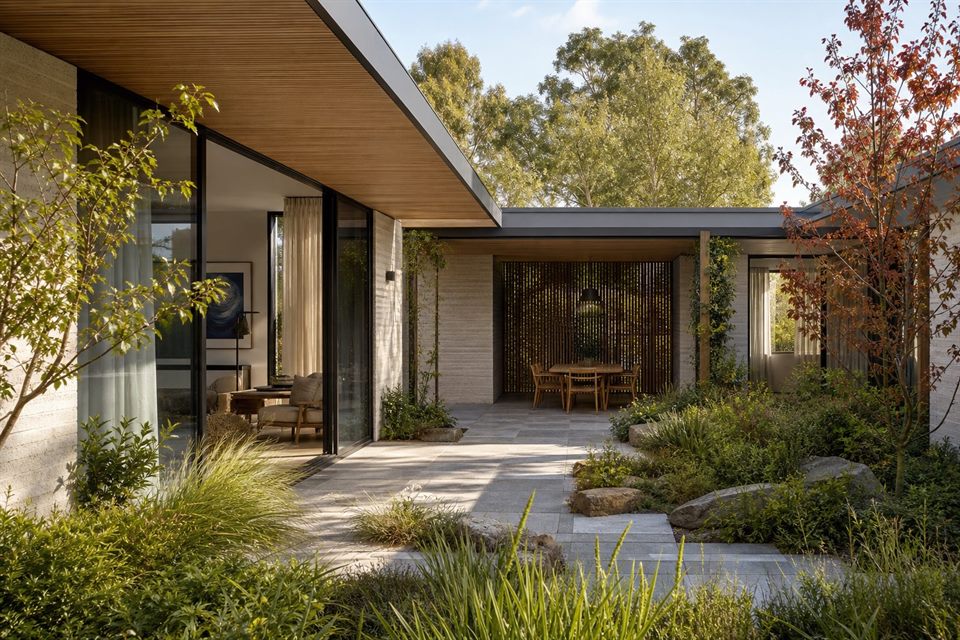
We favour clear planning, soft daylight, controlled openings, quiet materials and details that support long-term use. A modern residential design process should make the home calmer and more useful, not louder.
Not Just Appearance
A modern home should perform. Privacy, comfort, cost, buildability, planning, energy use and maintenance all matter. Contemporary architecture is strongest when the reason behind each move is clear.
Design Testing
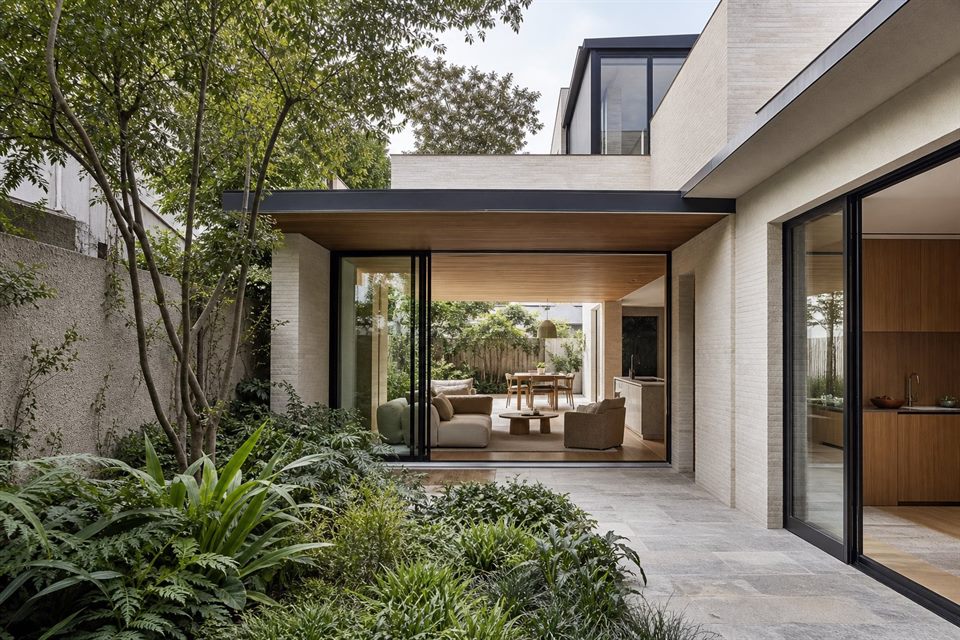
Options help reveal whether the modern expression is solving the site or only producing an image. We test layout, openings, massing and material direction before the design is treated as final.
Where Modern Design Adds Value
A modern approach is useful when the brief calls for stronger daylight, simpler circulation, quieter material transitions and a clearer relationship between inside and garden. It can shape a renovation or a new home; it is a design approach rather than a separate approval pathway or project type.
Material Restraint
We prefer calm material palettes, fewer stronger moves and details that can be built and maintained. Restraint is often what makes a modern home feel settled over time.
What makes a house modern?
For us, modern means clear planning, controlled light, useful spaces, restrained materials and honest construction logic.
Can a renovation become a modern home?
Yes, when the design works with the existing house, improves the weak parts and avoids superficial styling.
Do modern homes suit family life?
They can, if storage, privacy, durability, acoustic comfort and outdoor connection are solved properly.
Is a modern house architect different from a new home architect?
“Modern” describes a design direction, while “new home” describes the project type. A modern approach can guide a new house or a carefully planned renovation.
Start a conversation
Planning a home project?
Tell us the site, project type and the main decision you need help with.
No prepared brief is required.